Monitoring Progress Regular monitoring helps optimize treatment and catch potential issues early

For moderate systemic reactions such as generalized hives, mild angioedema without airway involvement, or widespread itching: Stop using tirzepatide immediately Take an oral antihistamine if available and not contraindicated (such as diphenhydramine 25-50 mg, noting it may cause sedation and impair driving, or non-sedating options like cetirizine or loratadine for milder symptoms) Contact your healthcare provider or seek urgent care evaluation Do not administer additional doses until evaluated by a physician Monitor closely for progression to more severe symptoms For severe reactions or suspected anaphylaxis , immediate emergency action is required: Call 911 immediately do not delay or attempt to drive yourself If you have an epinephrine auto-injector, use it immediately into the outer thigh Lie down with legs elevated (unless breathing is difficult, then sit upright) If symptoms do not improve or worsen after 5-10 minutes, administer a second epinephrine dose if available Remain with the patient until emergency services arrive All patients treated for anaphylaxis should be transported to the emergency department for observation due to the risk of biphasic reactions [3] After any allergic reaction, patients should not resume tirzepatide without explicit guidance from their healthcare provider

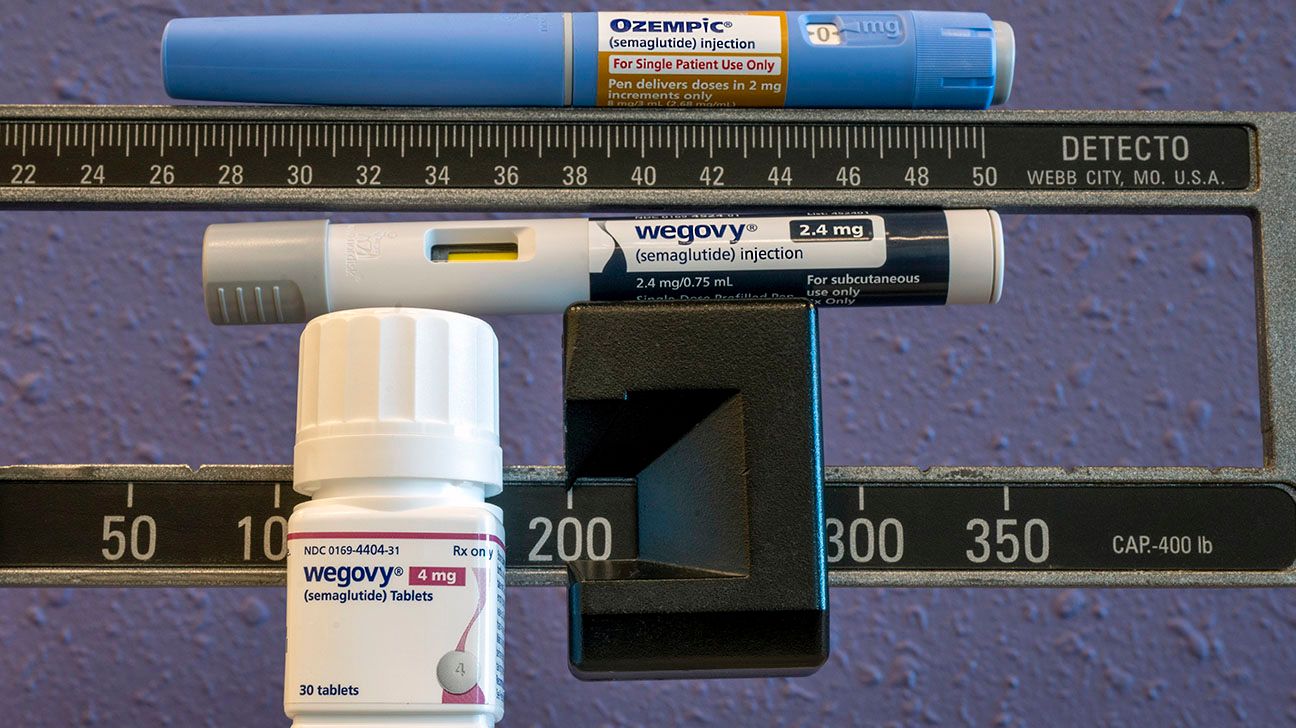
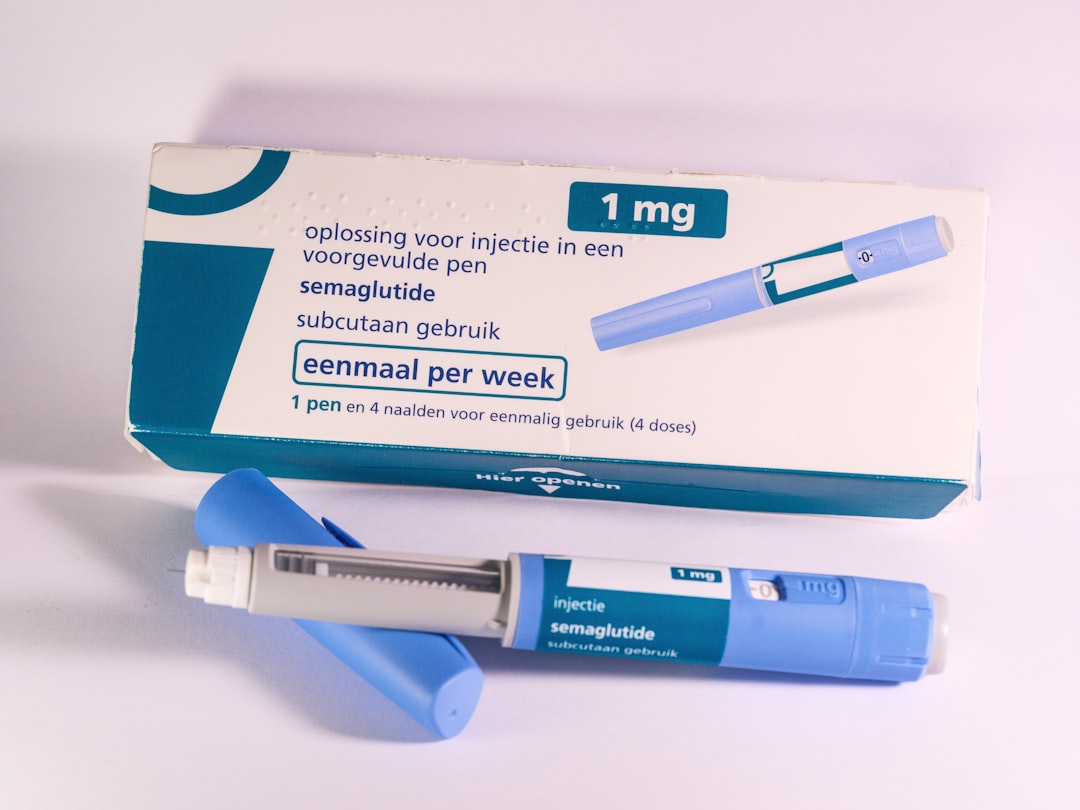
Starting Semaglutide: What to Expect Starting semaglutide is a big step in weight management
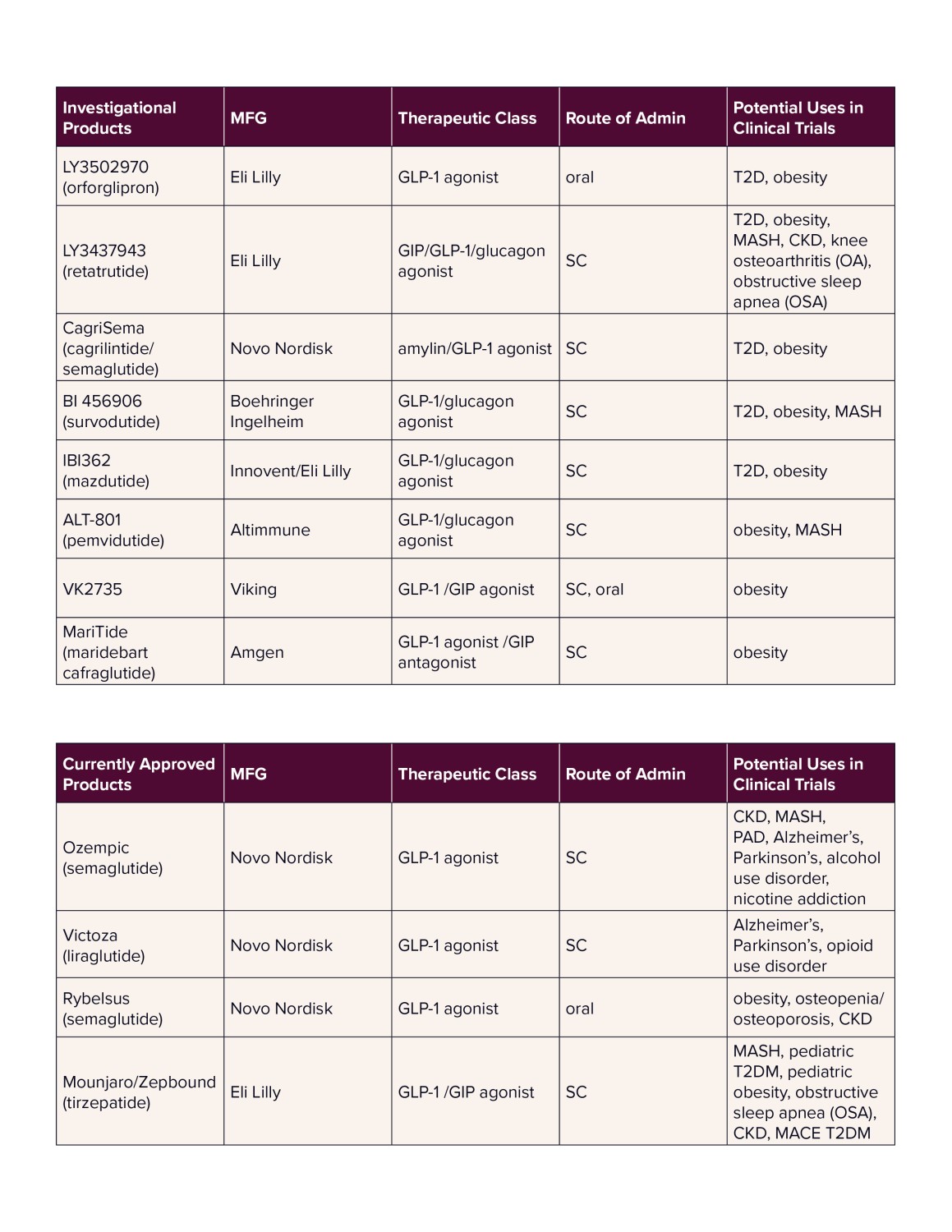
Landmark trials have established GLP-1 RAs efficacy in reducing major adverse cardiovascular events (MACE) in patients with T2DM and atherosclerotic cardiovascular disease (ASCVD)
In addition, almost half of the participants reduced more than 30 percent of their total body weight
Frequently Asked Questions How Long Does L-Carnitine Take To Work