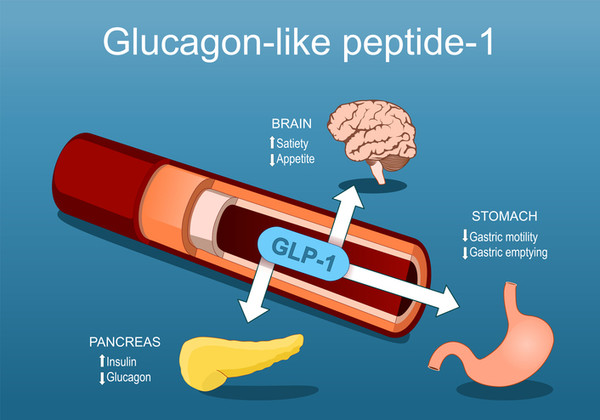
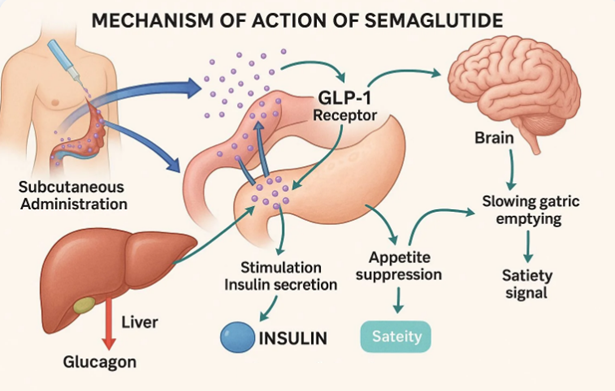
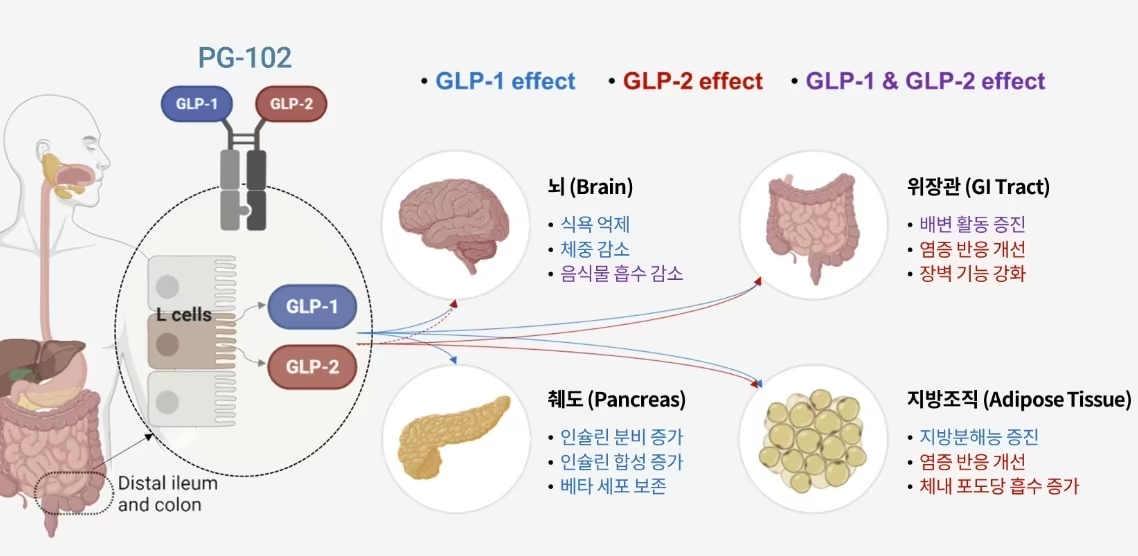
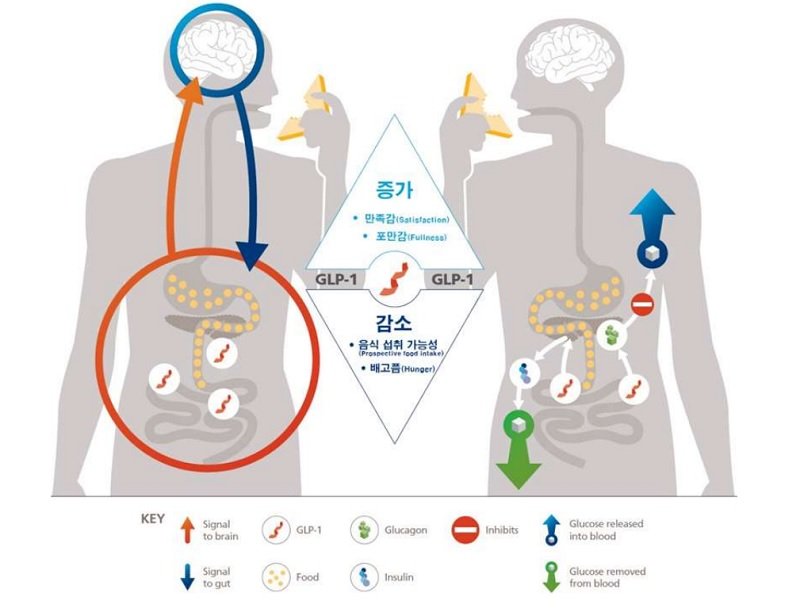
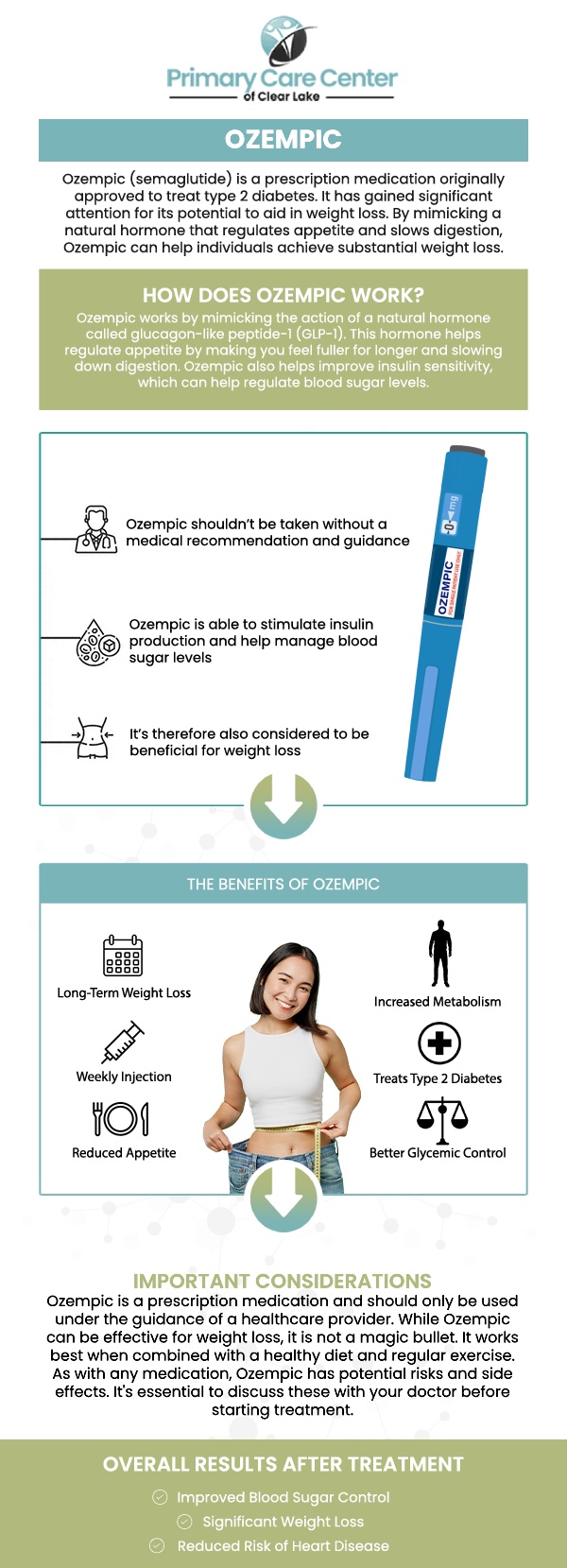
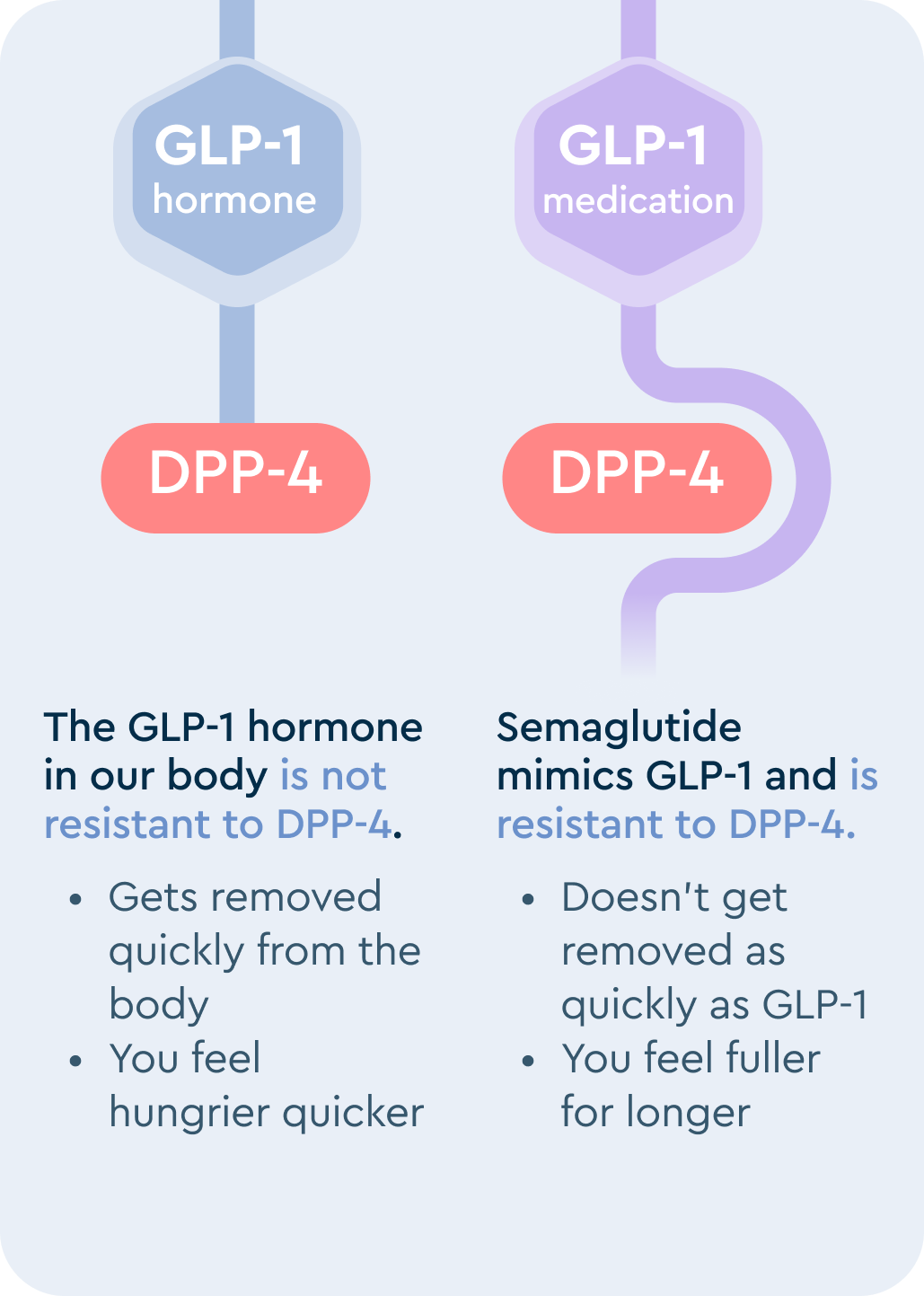
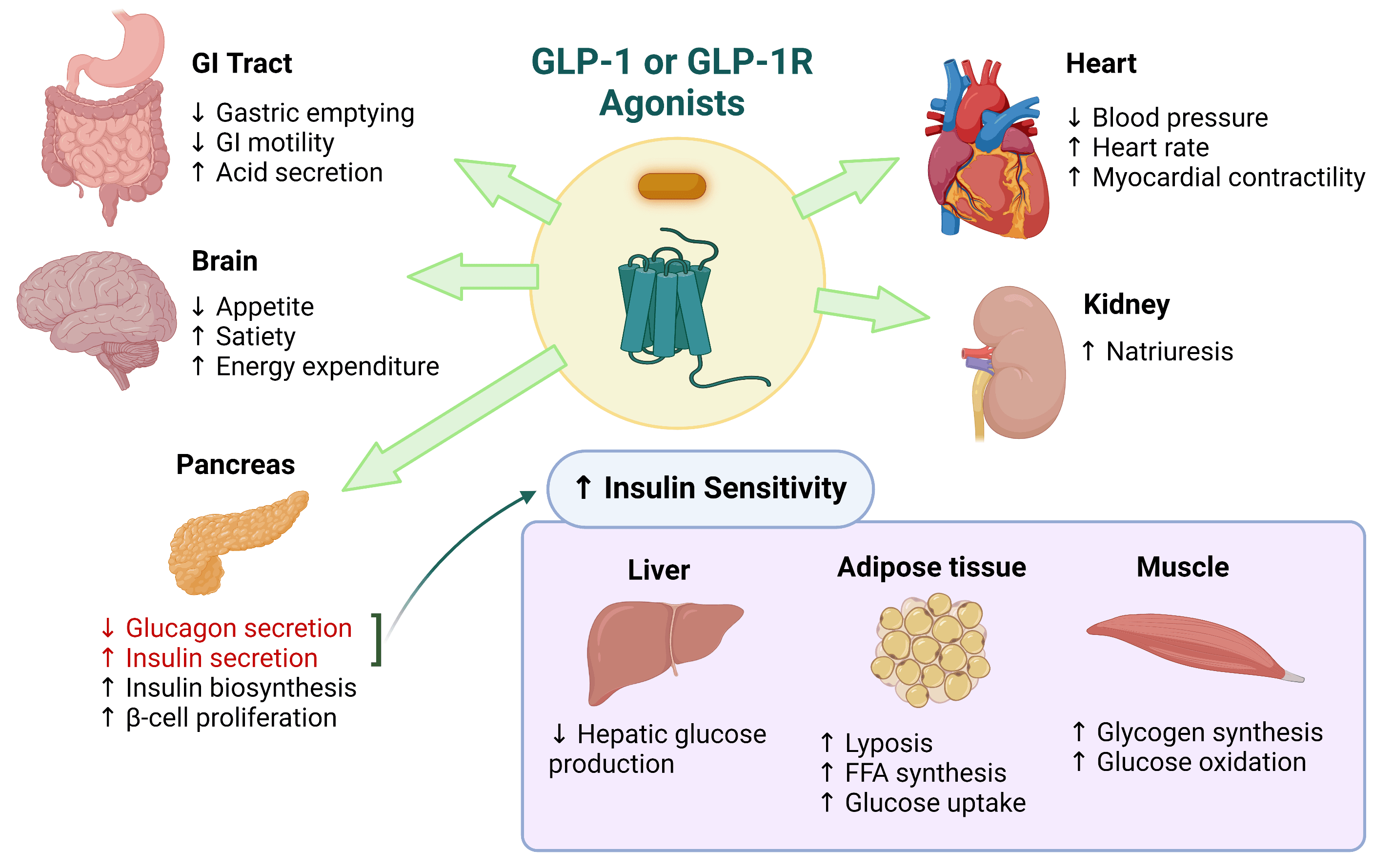
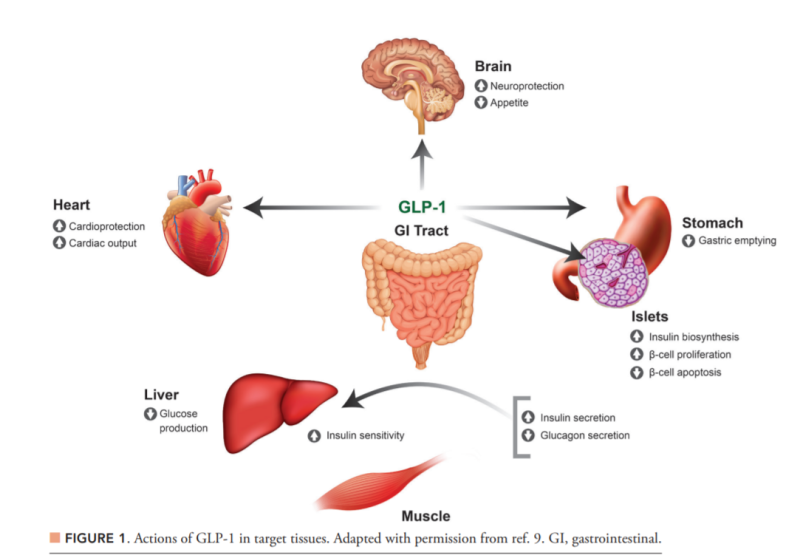
Semaglutide is a glucagon-like peptide-1 (GLP-1) receptor agonist designed to bind to GLP-1 receptors, which help regulate appetite.[4] Semaglutide was originally developed as a treatment for T2D to improve blood sugar levels, but clinical trials later showed that patients also lost weight while taking it.[4-8] Additional studies support semaglutides effectiveness in promoting weight loss in non-diabetics.[5,8,11] Semaglutide supports weight loss by suppressing appetite, delaying stomach emptying, and stimulating insulin secretion.[4] It is typically used alongside dietary changes and exercise in adults with and without diabetes.[4] All GLP-1 medications require a prescription from a healthcare provider
The long-term safety of its pharmacotherapies remains unclear
Standard Titration: A Clinical Comparison Understanding how microdosing protocols differ from standard escalation helps frame realistic expectations and timelines
Implement Strategies to Manage Side Effects To effectively manage the side effects of semaglutide, consider the following strategies that align with Tyde Wellnesss holistic approach: Eat Smaller, More Frequent Meals: Consuming smaller portions can significantly alleviate feelings of nausea and prevent digestive discomfort
Immunogenic ferroptosis protects against the development of tumour growth
Depression in Parkinson diseaseepidemiology, mechanisms and management







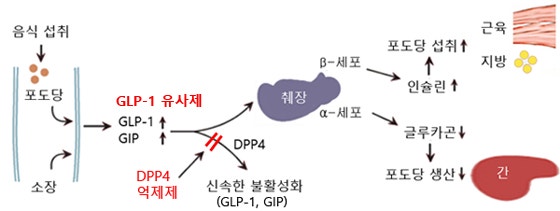

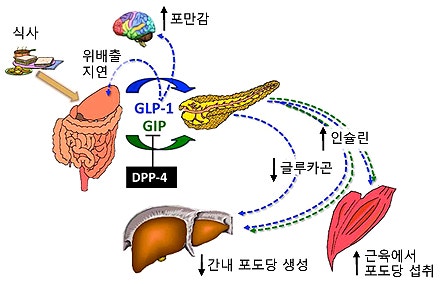
![당뇨병 치료제] GLP1 receptor agonists(GLP-1 유사체) 알아보기](https://blog.kakaocdn.net/dna/crXsVy/btsGR1i9QNf/AAAAAAAAAAAAAAAAAAAAAB_JcsHgdS3PkGybTDkPOkVkXnoJknSwJnjF7mf8PSny/img.png?credential=yqXZFxpELC7KVnFOS48ylbz2pIh7yKj8&expires=1785509999&allow_ip=&allow_referer=&signature=VWmEbQ1anvf%2BWIebIFIdmDszFxE%3D)


![데일리팜]](https://pds.dailypharm.com/news_image/202501/319189_p.jpg)