If you're running multi-peptide protocols, consider cycling them sequentially rather than simultaneously to isolate individual effects
Tendon injuries initially suffer from: Poor blood supply Limited vascularity Slow nutrient delivery In rodent models, BPC-157 appears to: Upregulate VEGFR2 signalling Increase capillary density Improve microvascular perfusion Mechanistically: BPC-157 VEGFR2 activation PI3K/Akt pathway eNOS phosphorylation Increased nitric oxide Improved angiogenesis More vascularity = better nutrient and oxygen delivery to fibroblasts
What to Expect at Your First Visit in Southwest Las Vegas Your first Gameday visit is a 45-minute, face-to-face deep dive with labs, results, and a personalized protocol before you leave
You do not need to spend two hours in the gym
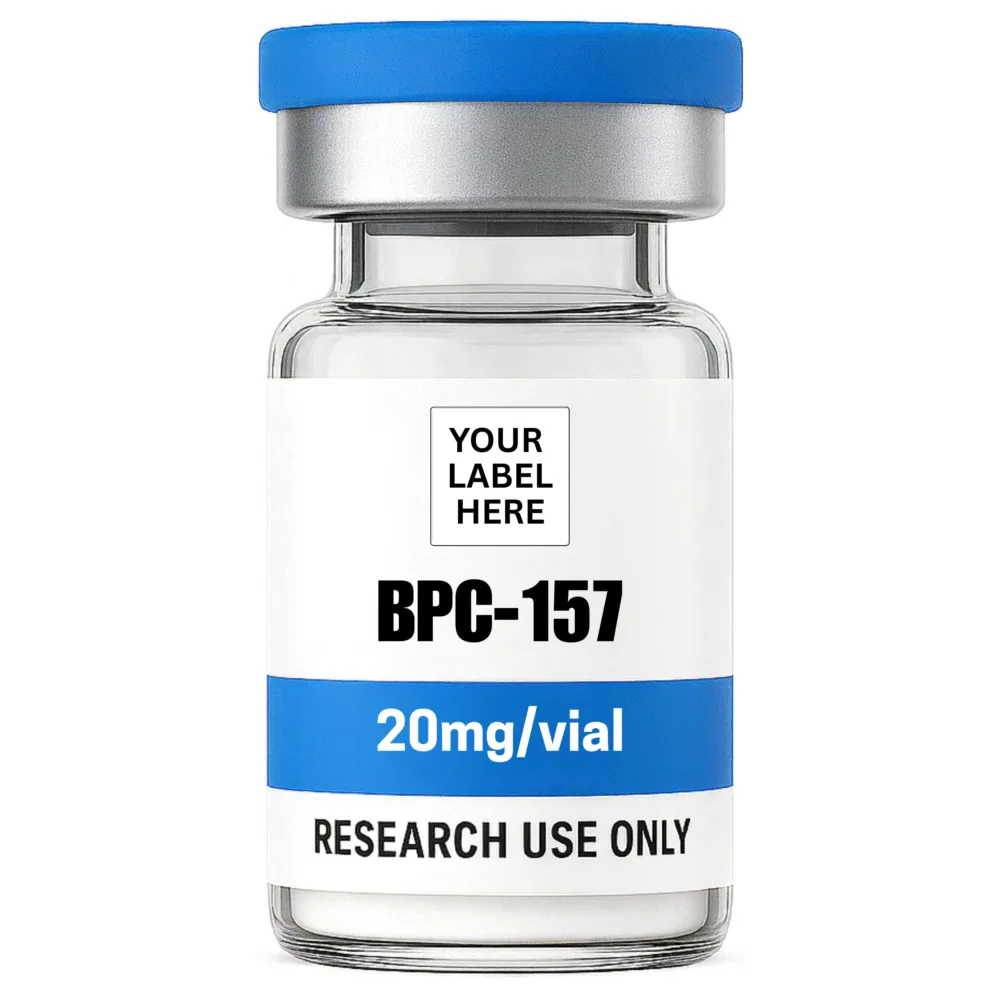
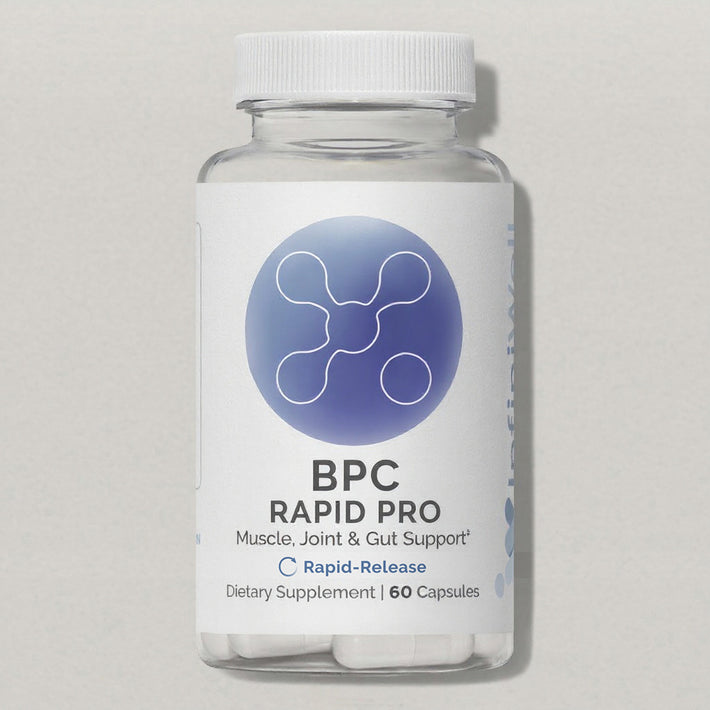
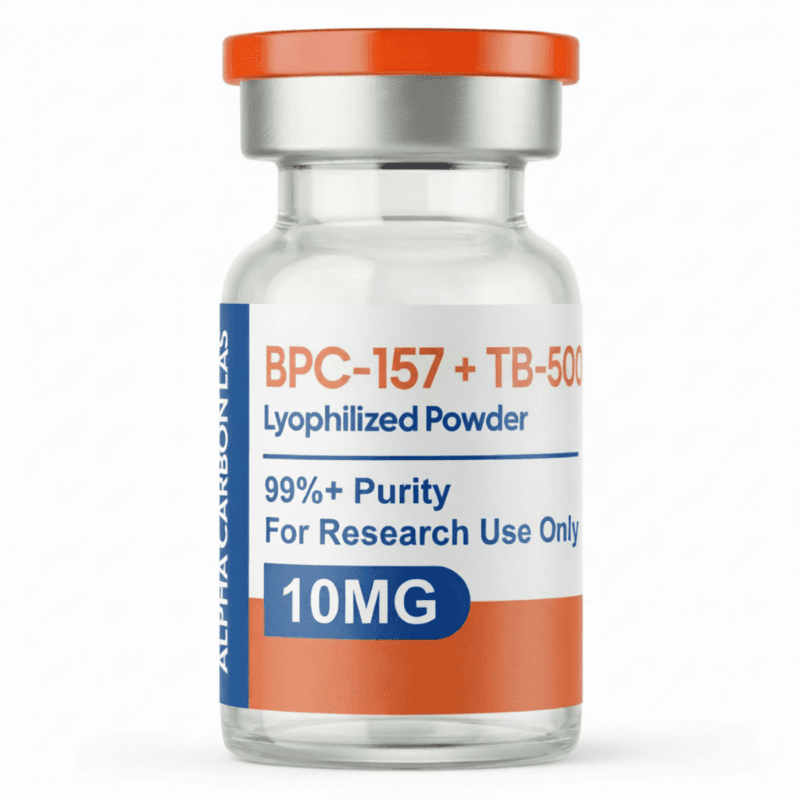
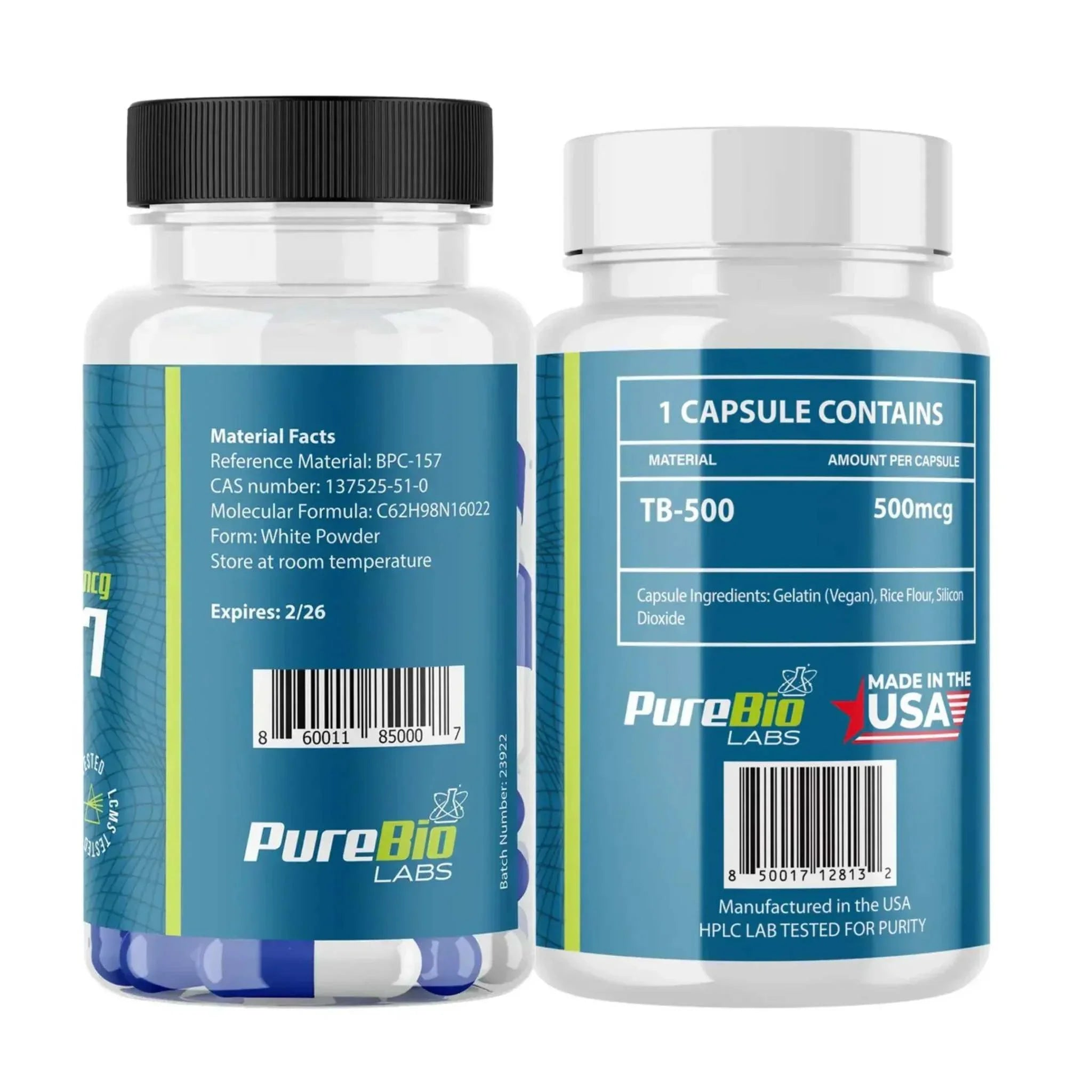
Description BPC-157, short for Body Protection Compound-157 , is a synthetic pentadecapeptide composed of 15 amino acids derived from a naturally occurring protective protein found in human gastric juice
This results in systemic signaling effects that extend beyond adipose tissue, making these compounds more suitable for studying integrated endocrine regulation rather than isolated metabolic pathways



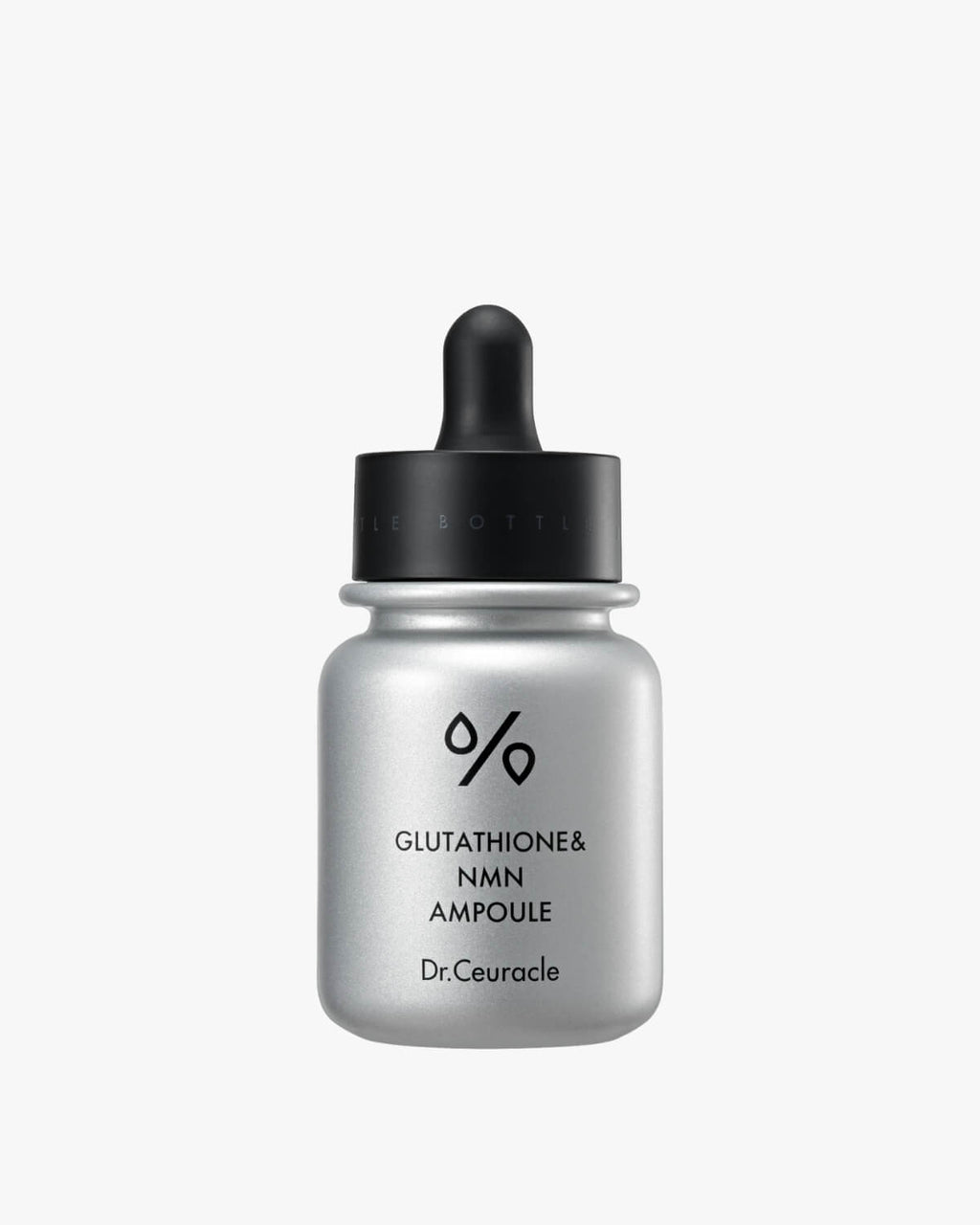
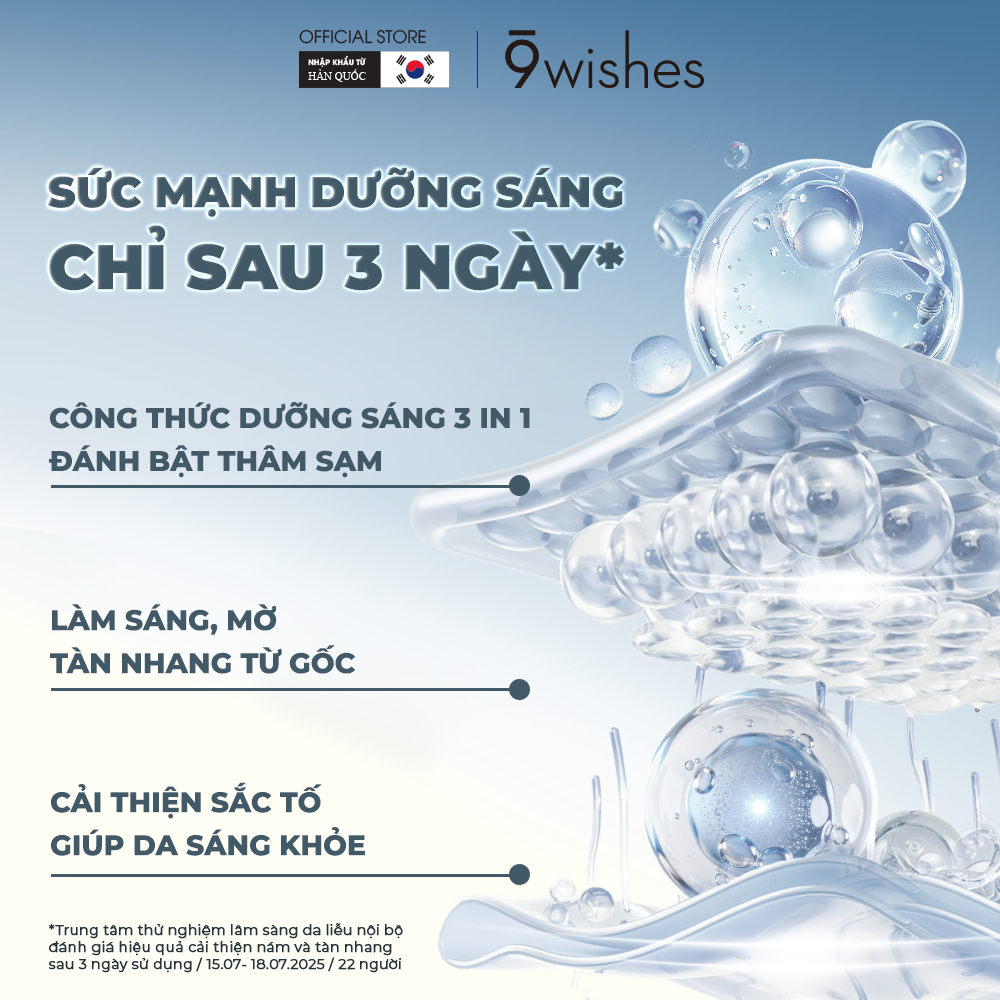


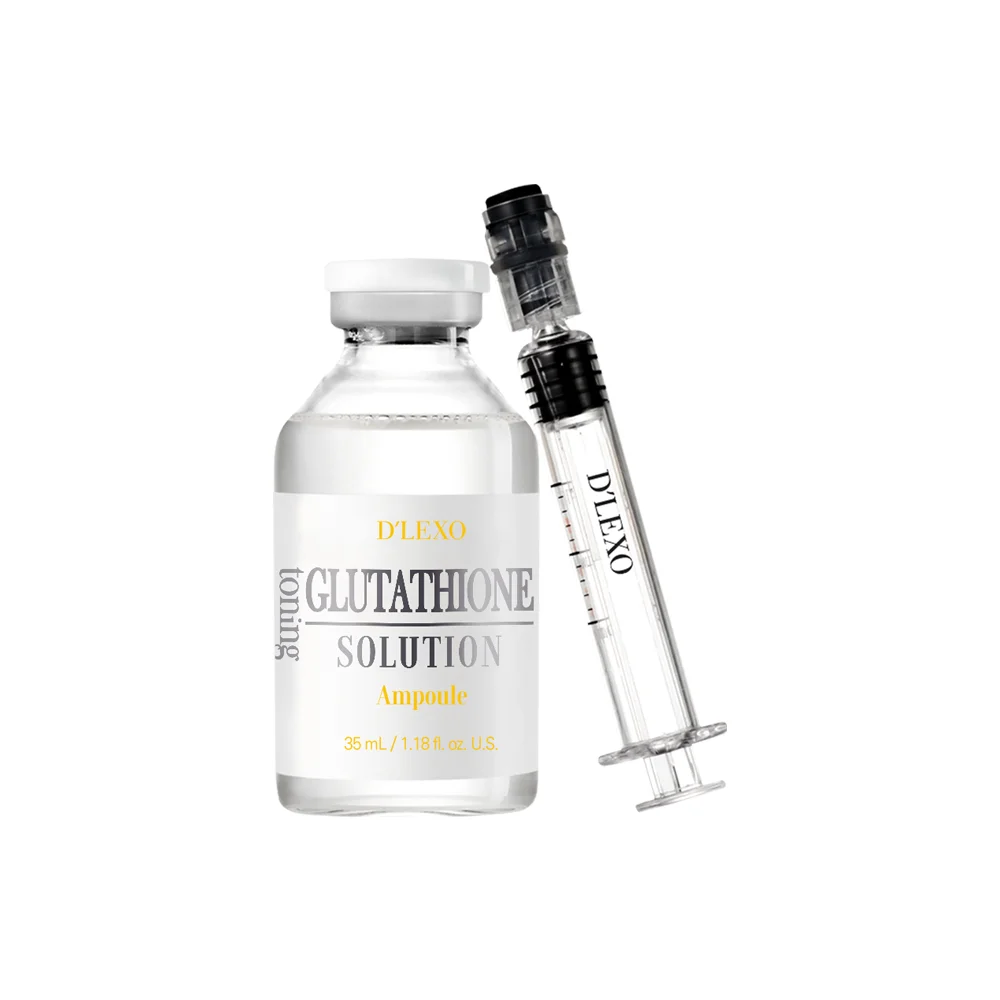
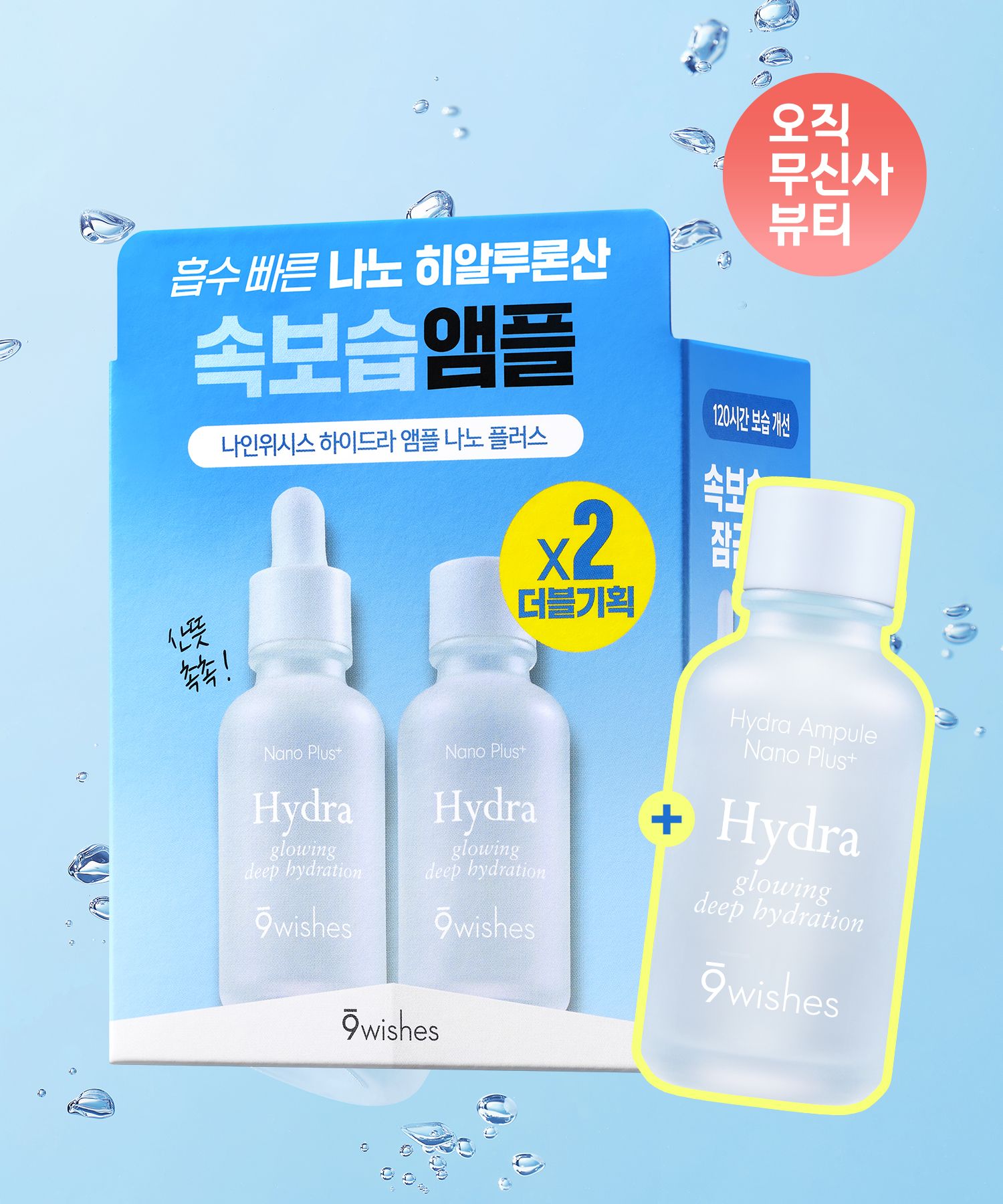
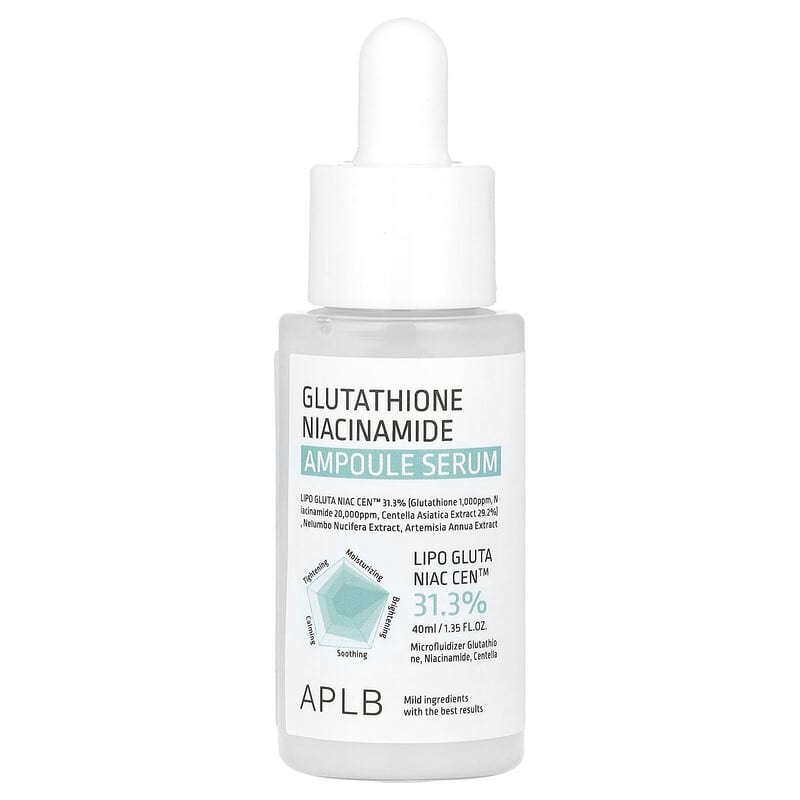
![THE AMPOULE Bright Ampoule -Glutathione- [New] – TAKASHIMA 高島生活館](https://takashimashop.com/cdn/shop/files/athome_img02_4562004f-a57f-4ae7-868f-d43c48c898eb.jpg?v=1778886536&width=1800)

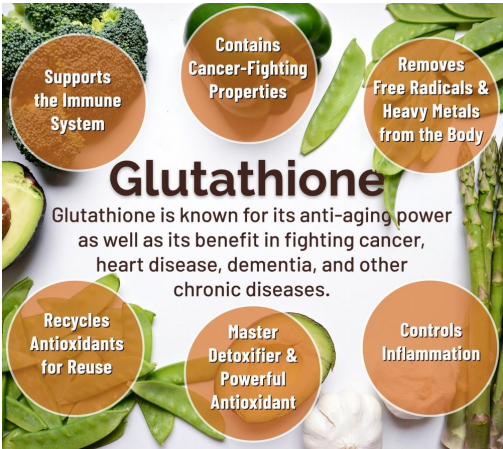
:max_bytes(150000):strip_icc():format(webp)/benefits-of-glutathione-89457_final-01-502464fe91b2444285b0cccf8cb0a33c.png)