and the treatment group receiving a 40 mg oral dose of semaglutide resulted in a -1.6% estimated treatment difference
Brand-Name Semaglutide FDA-approved (e.g., Wegovy, Ozempic) Standardized formulation with fixed dosing options Available only through a pharmacy Ideal for patients whose insurance covers brand-name prescriptions Compounded Semaglutide Custom-prepared by licensed compounding pharmacies Can be enhanced with supportive ingredients like L-Carnitine, which helps convert stored fat into energy, boosts metabolism, and supports exercise endurance Allows for more individualized dosing and adjustments, making it a better fit for patients who cannot tolerate brand-name semaglutide or want a more tailored approach Shipped directly to patients following provider approval How Treatment Works Regardless of which option you choose, treatment begins with a comprehensive consultation to determine candidacy
Chronic medical conditions: Many medical conditions may cause chronic constipation, including: Medications: Certain medications may slow digestion, such as: Antidepressants: Tricyclic antidepressants can disrupt the functioning of the digestive tract, causing symptoms such as constipation
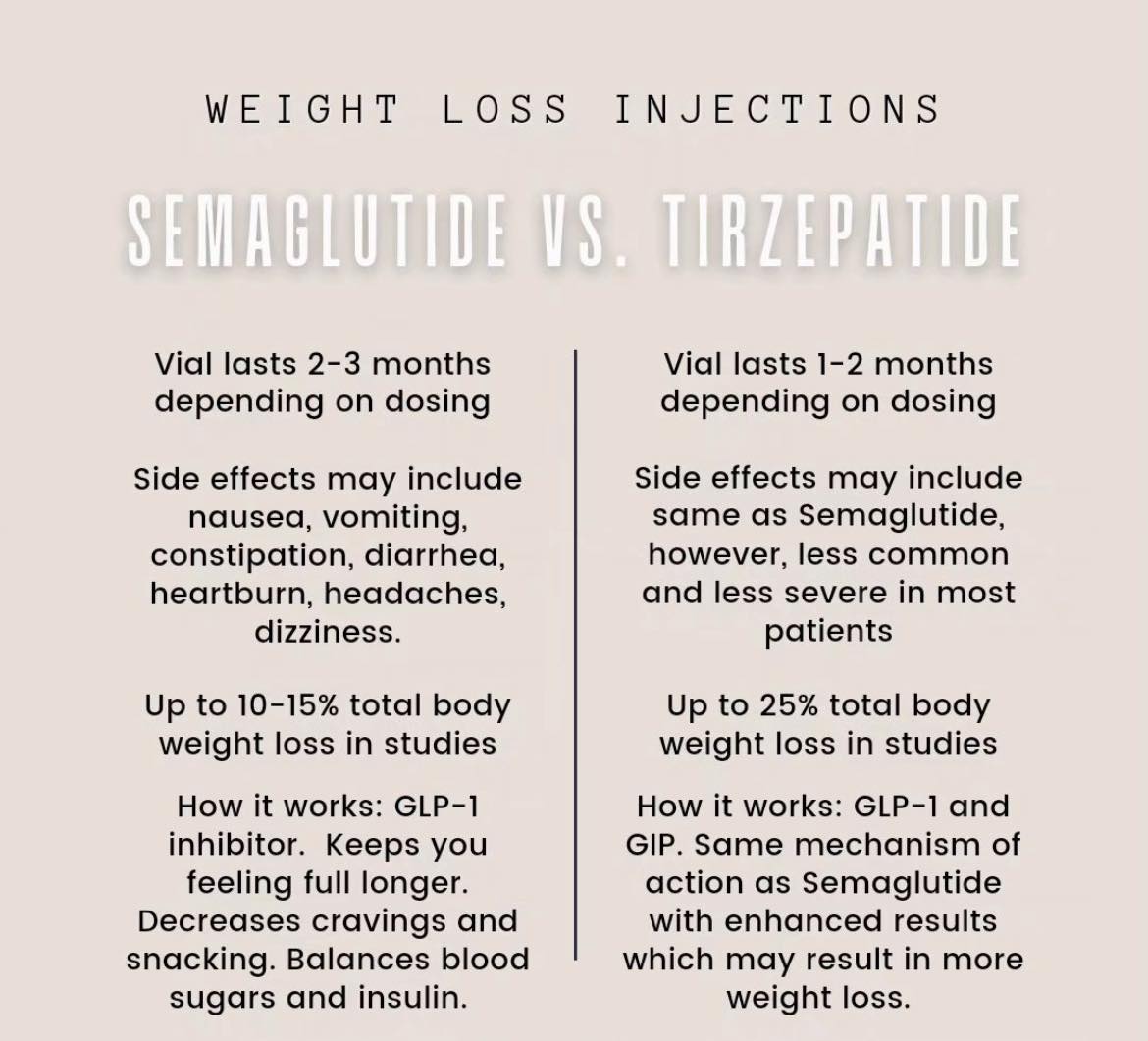
When switching from tirzepatide to semaglutide , you might experience: Nausea : A common side effect when starting any GLP-1 medication
For context on the broader compounded versus brand-name comparison, our guide on compounded semaglutide storage covers handling differences, and the article about how long compounded semaglutide lasts in the fridge addresses stability concerns that can also affect potency and dosing accuracy
Incorporate heartburn-friendly foods Heartburn-friendly foods, such as oatmeal, ginger, non-citrus fruits (melons, celery, and bananas), healthy fats (like avocado and olive oil), lean proteins (such as fish and chicken), and vegetables, can help prevent acid reflux