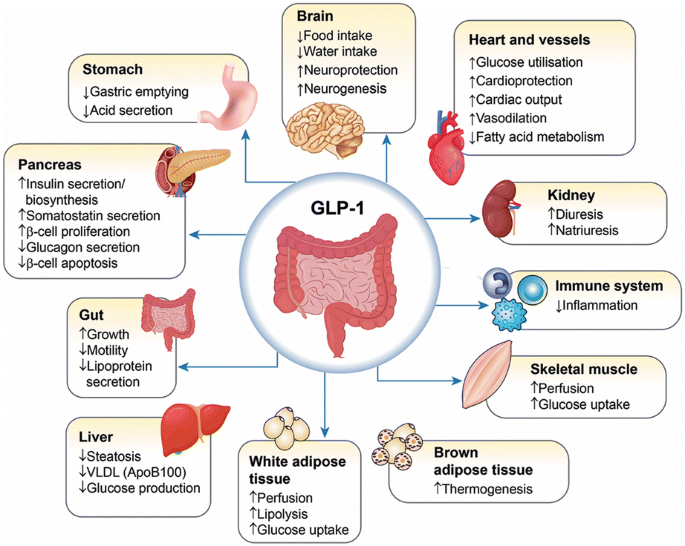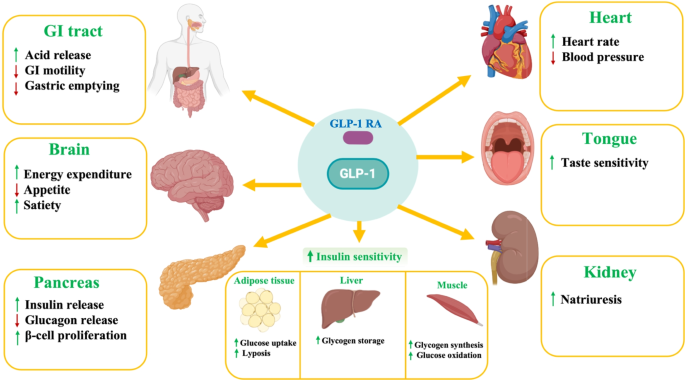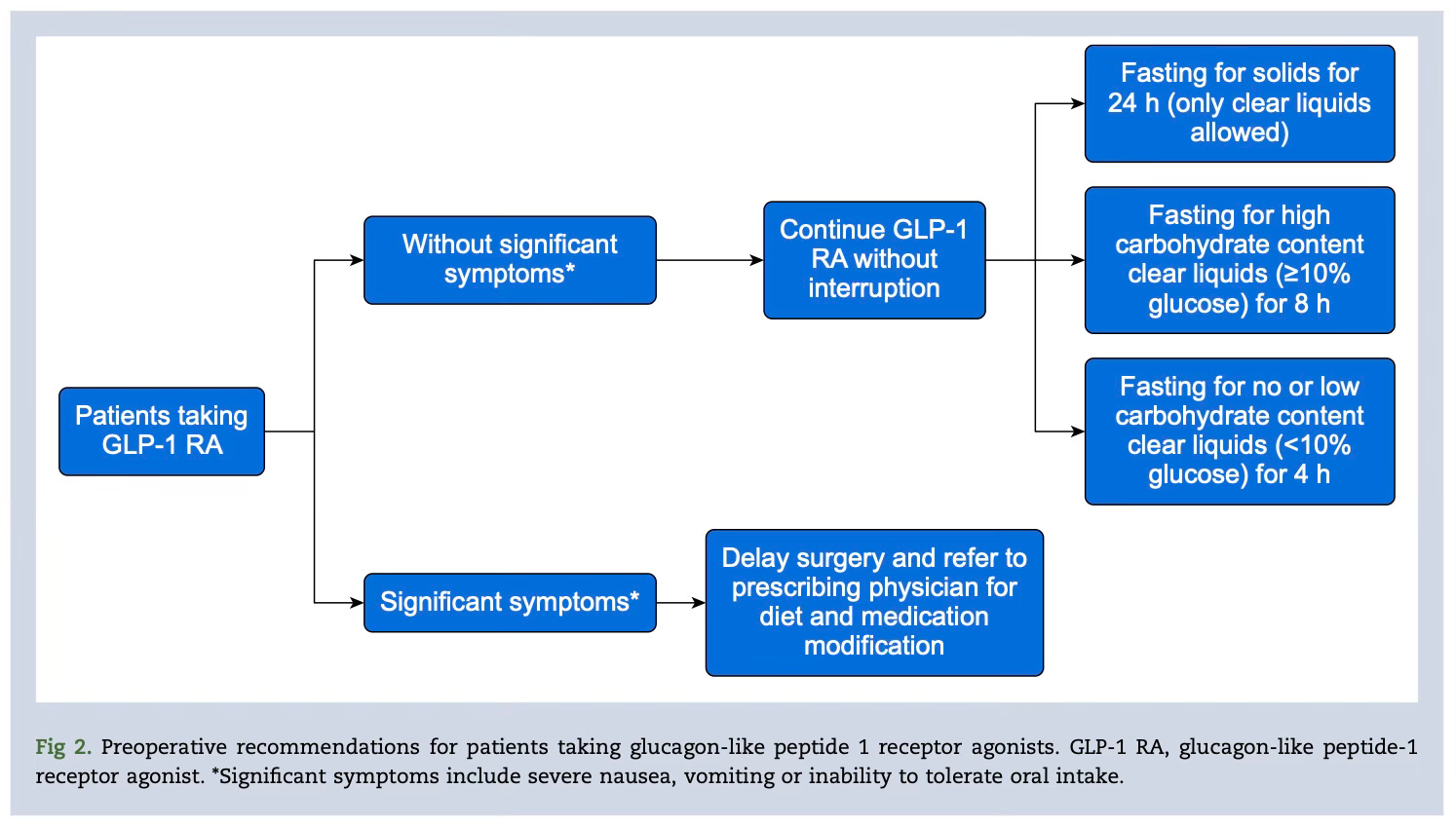
Why delayed gastric emptying matters in anesthesia Pulmonary aspiration occurs when gastric contents enter the lungs during anesthesia, potentially leading to: Aspiration pneumonitis Acute respiratory distress syndrome (ARDS) Increased perioperative morbidity and mortality Standard fasting guidelines (e.g., 68 hours for solids) aim to minimize this risk
It should be avoided in patients with severe gastrointestinal disorders such as gastroparesis, as delayed gastric emptying may worsen symptoms[13]
During the first appointment, your provider will review your medical history, weight history, current medications, eating patterns, lifestyle factors, mental health history, previous weight loss attempts, and treatment goals
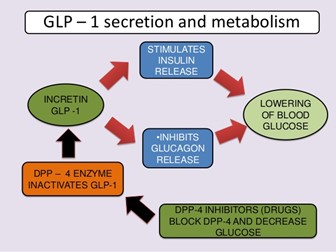
When we eat, GLP-1 is released in our intestines, which then signals the pancreas to release insulin
& Koumura, T
L-karnityna moe dziaa synergistycznie z kreatyn , pomagajc w optymalnym wykorzystaniu energii podczas treningu oraz wspierajc regeneracj mini