Dehydration and Hangover Symptoms: Alcohols Dehydrating Effect: Alcohol is known to dehydrate the body by inhibiting the release of an antidiuretic hormone, leading to increased urine production
MIC is a lipotropic agent that dates back as early as 1935
This matches official guidelines (for example, Hospiras package insert)
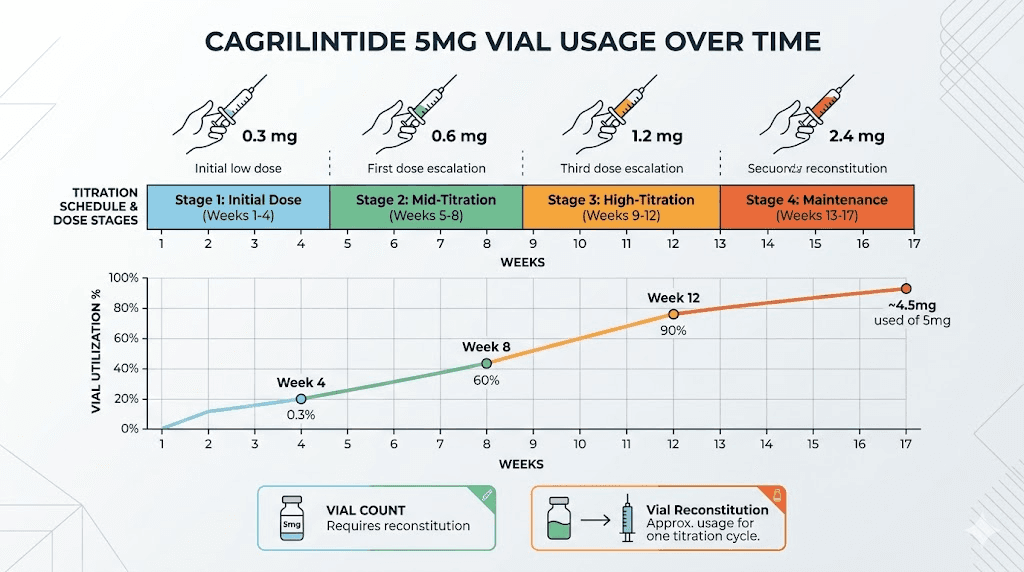
The subcutaneous route is used at much smaller doses than oral because a 100 mg injection would require two 50 mg vials and about 6 mL of liquid when each vial is mixed with 3.0 mL BAC water, which is too much for one subcutaneous site
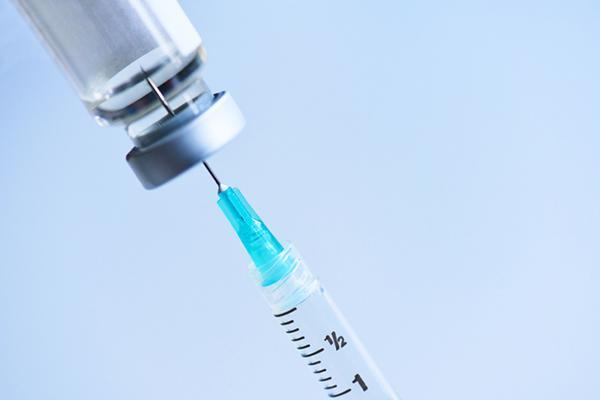
Draw bacteriostatic water : Using a sterile syringe, draw the appropriate volume of bacteriostatic water (determined by your target concentration)
Higher-Risk Dehydration Scenarios Drinking outdoors in hot weather Drinking at elevation (skiing, mountain travel) Drinking soon after intense exercise Drinking while recovering from illness (vomiting, fever, diarrhea) Lower-Risk, Everyday Situations A normal indoor evening with typical daily fluid intake Drinking after a normal meal, not skipping water Climate-controlled environments No recent illness, intense exercise, or heat exposure Practical Hydration Tips While Drinking None of this science is meant to turn hydration into a strict rulebook its meant to give you a realistic sense of when it matters more or less, so you can make informed choices